Our Favorite Weeknight Chicken Pad Thai: An Authentic & Easy Recipe!
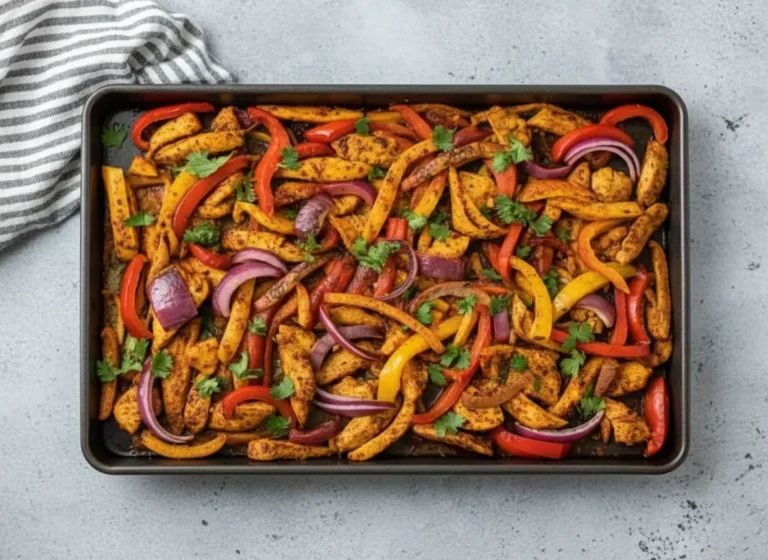
Just saying Chicken Pad Thai out loud instantly transports me back to a particular rainy Tuesday evening, the kind where you crave warmth and comfort but the usual takeout menu just isn’t speaking to your soul. That’s precisely when the magic of ‘Bake Mode’ truly kicks in, urging you to create something extraordinary right in your own kitchen – much like those busy nights where our Crockpot Chicken Fajita recipe often saves the day.
Thank you for reading this post, don't forget to subscribe!It wasn’t about perfectly replicating a restaurant dish, but about capturing that vibrant, unforgettable flavor profile right here at home, infusing it with our own brand of home-cooked love. As the aroma of garlic, fish sauce, and tangy tamarind began to fill the air, a thrilling sense of accomplishment went through me, knowing I was on the brink of creating something truly special for my family, a delicious journey that many, including the experts at Taste Charm, celebrate for its rich heritage and incredible taste.
This dish isn’t just food; it’s a passport to Thailand from your dining room table, a testament that amazing flavors are always within reach, even on a gloomy weeknight. It quickly became a highly requested family favorite, and each time I make it, that initial feeling of excited anticipation returns, a sweet victory over the ordinary that proves a little courage in the kitchen goes a long, delicious way.
Mastering the Sauce for Your Chicken Pad Thai
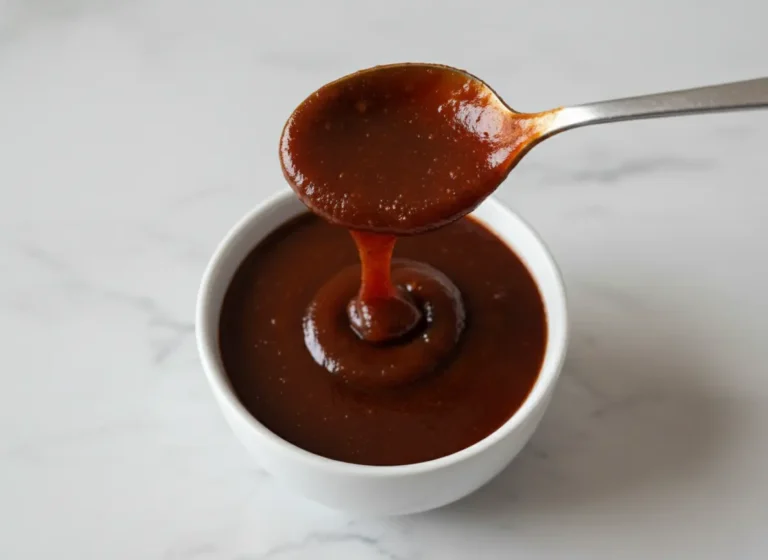
The heart and soul of any great Chicken Pad Thai lies in its sauce. It’s a delicate dance of sweet, sour, salty, and umami. For years, I struggled to get that perfect balance, either too sweet, too sour, or just… flat. The secret, I discovered, lies not just in the ingredients, but in their quality and ratio. Tamarind paste is non-negotiable for that authentic tang, paired with good quality fish sauce for umami depth, and palm sugar for a nuanced sweetness. Don’t skimp on these; they truly make all the difference. Blend them well before adding to the wok, ensuring every ingredient has dissolved for a truly cohesive flavor that coats every single noodle and piece of chicken.
This meticulous approach to the sauce is a Taste Charm secret that transforms a good dish into an unforgettable one, making your homemade Chicken Pad Thai taste genuinely restaurant-quality.
Perfecting the Noodles for Optimal Chicken Pad Thai Texture
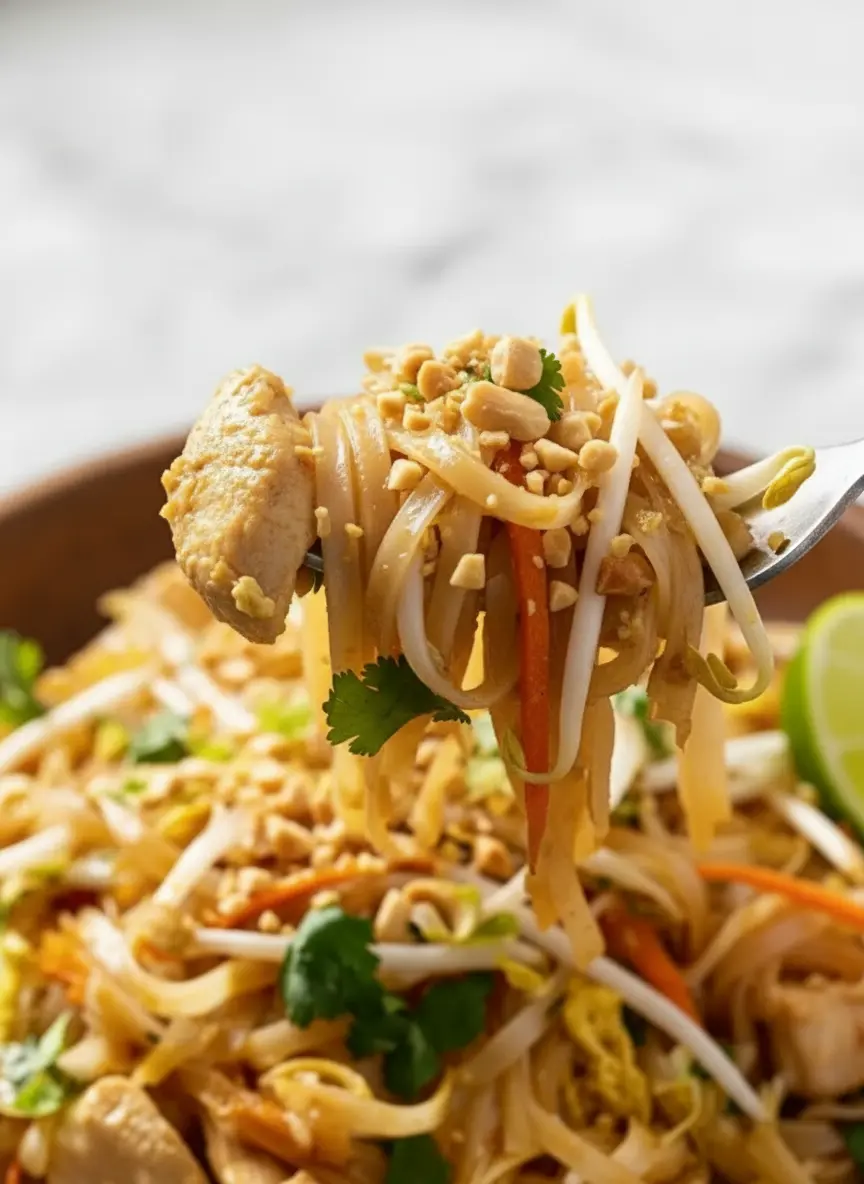
Rice noodles can be tricky when making Chicken Pad Thai. Overcook them, and you get a mushy mess. Undercook them, and they’re stiff and chewy. I’ve had my share of both! The trick I’ve learned in my kitchen adventures is to soak, not boil, them. Immerse them in hot tap water for about 20-30 minutes, or until they’re pliable but still firm. They’ll finish cooking in the wok, absorbing all that glorious sauce. This method ensures they maintain their delightful chewiness without breaking apart. It’s a small detail, but Bake Mode taught me that these small details are what elevate a dish from good to absolutely fantastic.
This approach to noodle preparation is crucial for achieving that authentic texture that makes Chicken Pad Thai so satisfying.
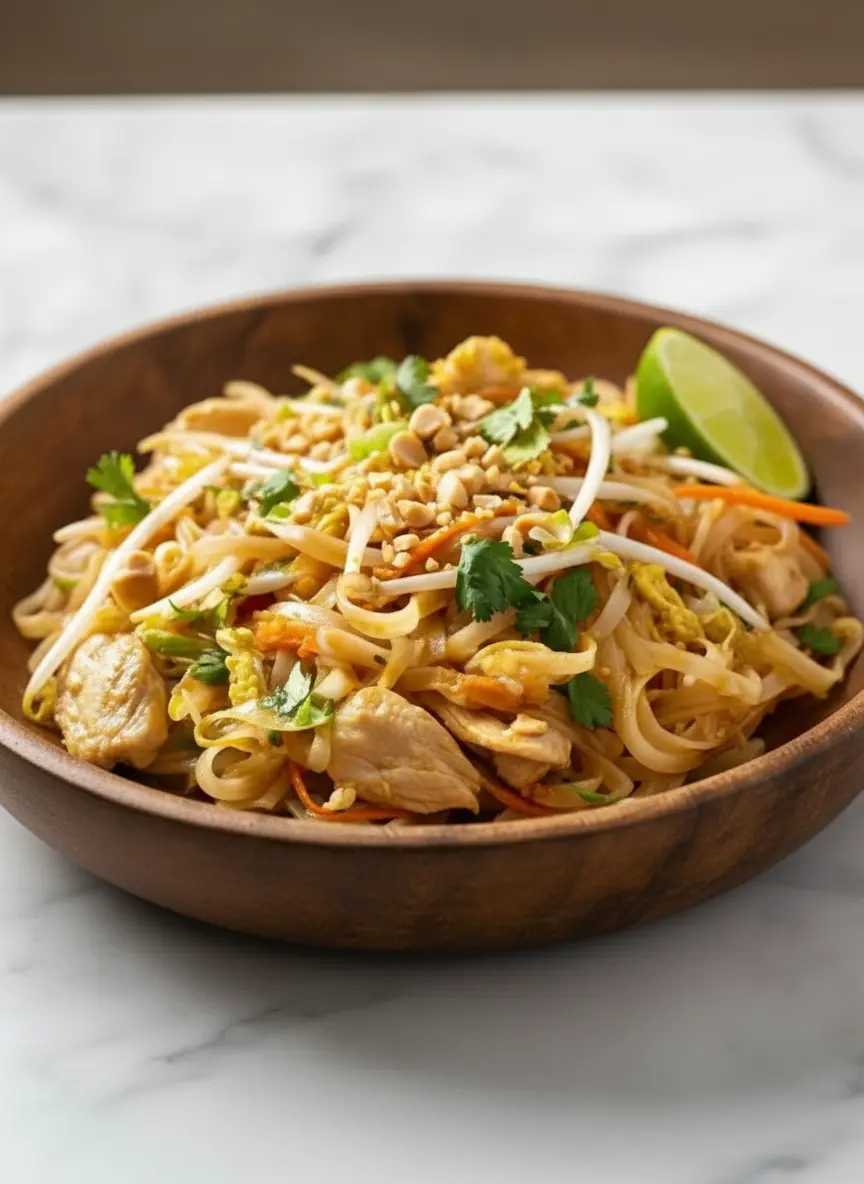
The Essential Ingredients for a Stellar Chicken Pad Thai
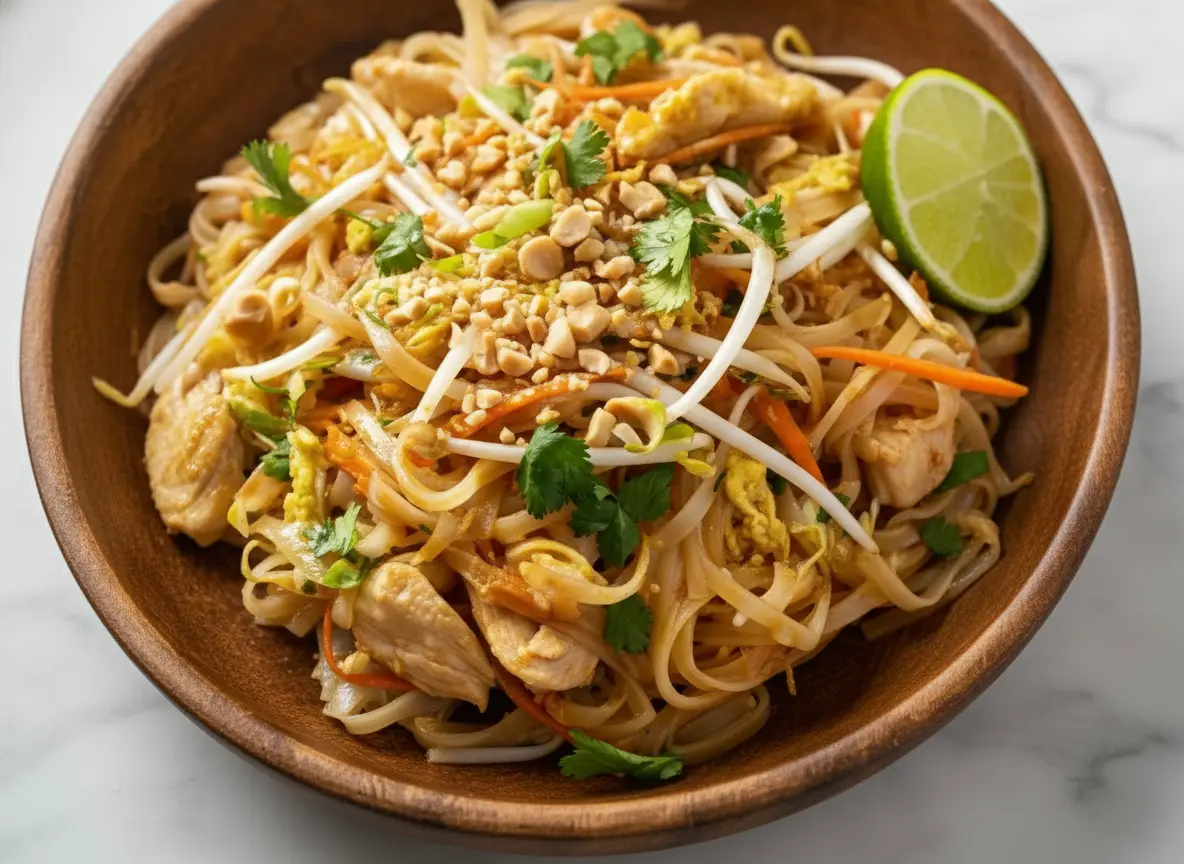
Beyond the sauce and noodles, the fresh ingredients are what bring our Chicken Pad Thai to life. Tender chicken breast, thinly sliced, cooks quickly and absorbs flavor beautifully. You’ll want fresh bean sprouts for that signature crunch, grated carrots for color and sweetness, and plenty of fresh cilantro and crushed peanuts for garnish. Don’t forget the lime wedges – a squeeze of fresh lime juice at the end brightens everything up! I also love adding scrambled egg, which adds another layer of texture and richness.
Each component plays a vital role, contributing to the symphony of textures and flavors that define a truly great Chicken Pad Thai. Choosing fresh, quality ingredients is a simple step that yields immense flavor rewards, making every bite a delight.
Stir-Frying Techniques for Your Homemade Chicken Pad Thai
Stir-frying is a dance, a rapid movement of ingredients in a hot wok. For Chicken Pad Thai, it’s about building layers of flavor quickly. Start with your aromatics – garlic and shallots – then the chicken, followed by the egg, pushing them to the side before introducing the noodles and sauce. High heat is your friend here; it ensures everything cooks evenly and gets that lovely char without steaming. My ‘Taste Charm’ philosophy is all about embracing the process, even the fast-paced intensity of stir-frying. Don’t overcrowd the pan; if you’re making a larger batch, cook in two separate portions.
This ensures proper caramelization and prevents the ingredients from just boiling in their own liquids, leading to a superior Chicken Pad Thai.
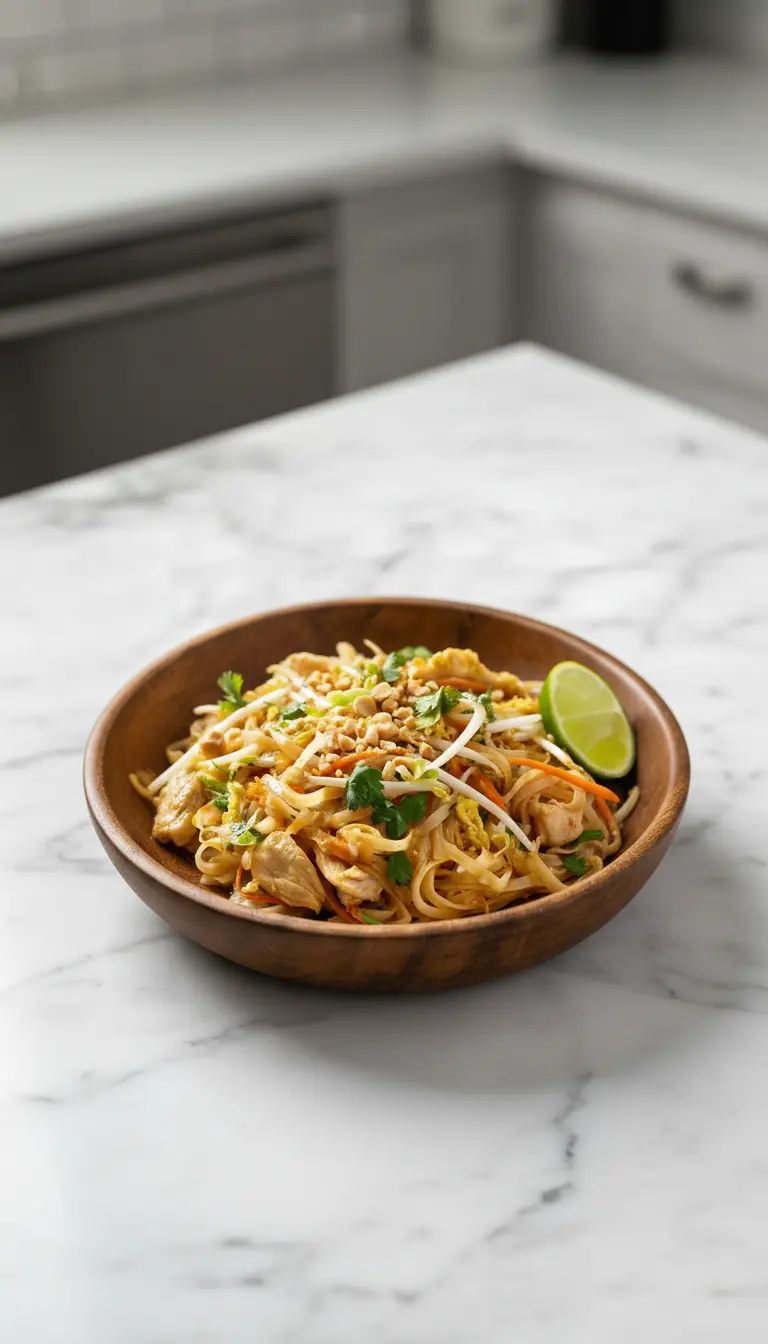
Serving & Customizing Your Perfect Chicken Pad Thai
Once your Chicken Pad Thai is ready, plate it immediately! Garnish generously with fresh bean sprouts, chopped roasted peanuts, and a sprinkle of cilantro. A fresh lime wedge on the side is essential for that final pop of acidity. While this recipe is fantastic as is, feel free to customize it! Add a dash of chili flakes for heat, or some extra veggies like snap peas. This dish is wonderfully adaptable. I’ve found that serving it hot, straight from the wok, is key to enjoying its full potential. The vibrant flavors and textures of this Chicken Pad Thai are best experienced fresh. It’s a celebration of simple, fresh ingredients coming together in a spectacular way, perfect for any meal.
Our Favorite Weeknight Chicken Pad Thai: An Authentic & Easy Recipe!
Course: Savory RecipesCuisine: ThaiDifficulty: Medium4
servings30
minutes40
minutes300
kcalThis Chicken Pad Thai recipe brings the vibrant flavors of Thailand right into your kitchen. Tender chicken, chewy rice noodles, and a perfectly balanced sweet-sour-salty sauce, all finished with crunchy peanuts and fresh lime. An easy, authentic take on a takeout classic!
Ingredients
8 oz flat rice noodles
2 tbsp vegetable oil, divided
1 lb boneless, skinless chicken breast, thinly sliced
2 cloves garlic, minced
1 small shallot, minced
1 large egg, whisked
1 cup fresh bean sprouts, divided
1/2 cup shredded carrots
1/4 cup chopped roasted peanuts, plus more for garnish
2 tbsp fresh cilantro, chopped, plus more for garnish
Lime wedges, for serving
For the Pad Thai Sauce:
3 tbsp tamarind paste (not concentrate)
3 tbsp fish sauce
2 tbsp palm sugar (or brown sugar)
1 tbsp rice vinegar
1 tsp sriracha (optional, for heat)
Directions
- Prepare the noodles: Place rice noodles in a large bowl. Cover with hot tap water and let soak for 20-30 minutes, or until pliable but still firm. Drain well and set aside.
- Make the sauce: In a small bowl, whisk together tamarind paste, fish sauce, palm sugar, rice vinegar, and sriracha (if using) until sugar is dissolved. Set aside.
- Cook chicken: Heat 1 tbsp vegetable oil in a large wok or skillet over medium-high heat. Add sliced chicken and stir-fry until cooked through and lightly browned, about 3-4 minutes. Remove chicken from the wok and set aside.
- Sauté aromatics & egg: Add remaining 1 tbsp oil to the wok. Add minced garlic and shallot; stir-fry for 30 seconds until fragrant. Push aromatics to one side of the wok. Pour whisked egg into the empty space and scramble until cooked, breaking it into small pieces.
- Combine & stir-fry: Add drained noodles, cooked chicken, and shredded carrots to the wok. Pour the Pad Thai sauce over everything. Toss constantly for 2-3 minutes, until noodles are coated and softened, absorbing the sauce. If noodles stick, add a tablespoon of water or chicken broth.
- Finish & serve: Stir in most of the bean sprouts (reserve some for garnish) and half of the chopped peanuts. Toss for another minute. Remove from heat. Serve immediately, garnished with remaining bean sprouts, chopped roasted peanuts, fresh cilantro, and lime wedges on the side.
Notes
- For authentic flavor, seek out good quality tamarind paste and fish sauce. These make a huge difference!
- If you can’t find palm sugar, light brown sugar is a good substitute.
- To ensure noodles don’t stick, keep your wok hot and don’t overcrowd it. Cook in batches if necessary.
- Adjust the spice level to your preference by adding more or less sriracha.
- Leftovers can be stored in an airtight container in the fridge for up to 3 days. Reheat gently in a pan with a splash of water.