Silky Dulce de Leche Crema Volteada (Flan): Best Peruvian Masterpiece
Dulce de Leche Crema Volteada (Flan) is the dessert that finally taught me the virtue of patience in the kitchen during a quiet, rainy afternoon. While I have always enjoyed the rich, creamy texture of a traditional Venezuelan flan, there is something almost magical about the way these specific ingredients transform into a dense, velvet-smooth Peruvian masterpiece.
Thank you for reading this post, don't forget to subscribe!This Dulce de Leche Crema Volteada (Flan) recipe is less about the mixing and more about the quiet ritual of the water bath and the heart-stopping moment of the final flip. I once rushed the cooling process and ended up with a broken heart, but that failure taught me exactly why a perfect Dulce de Leche Crema Volteada (Flan) needs time and care to truly thrive.
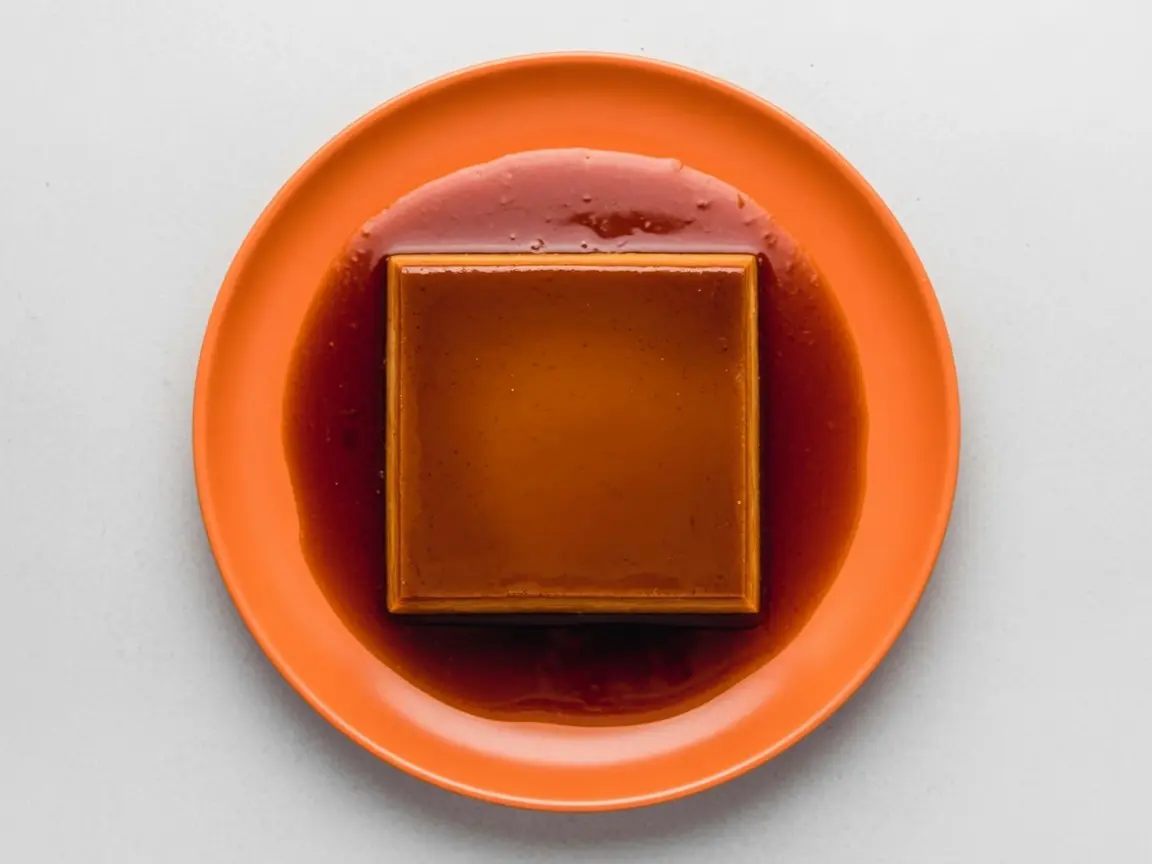
Now, every time I pull that rectangular mold out of the oven and see the custard gleaming under a dark amber caramel lake, I feel like a true pastry chef. Bake Mode truly comes alive when we honor the slow, steady process of creating something this sophisticated and beautiful from scratch.
The Essential Ingredients for Dulce de Leche Crema Volteada (Flan)
To achieve the iconic richness of this dessert, we rely on the trifecta of evaporated milk, condensed milk, and high-quality manjar blanco. Unlike a standard custard, this version is heavier and more decadent, demanding fresh eggs at room temperature to ensure everything emulsifies perfectly. Bake Mode thrives on the quality of these basics, as the dulce de leche provides the deep, toasted flavor profile that sets this apart from a basic vanilla flan. Make sure your vanilla extract is pure and your sugar for the caramel is granulated white sugar for the cleanest melt.
Perfecting the Caramel for Dulce de Leche Crema Volteada (Flan)
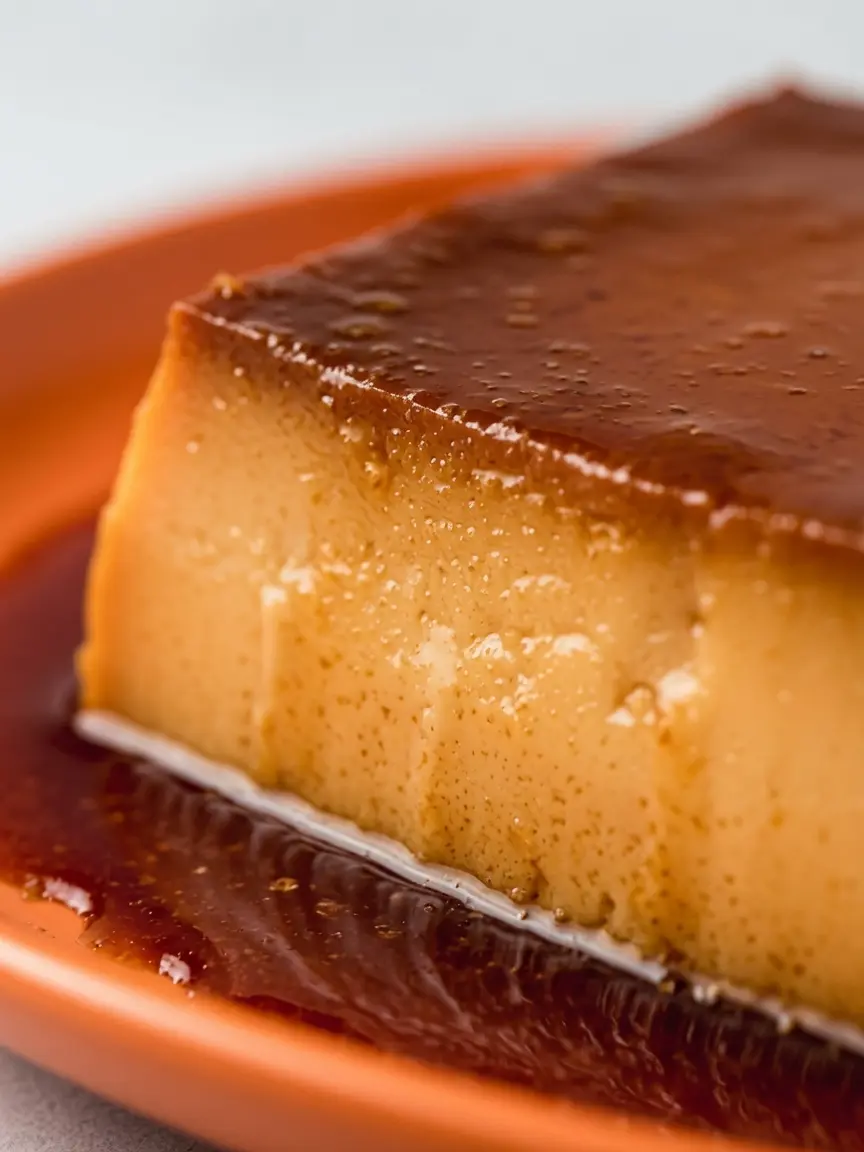
The soul of any great flan lies in its caramel coating, and for this recipe, we aim for a dark amber hue that provides a slight bitter contrast to the sweet custard. You must melt the sugar slowly over medium heat, resisting the urge to stir with a spoon; instead, gently swirl the pan to ensure even browning. Once it reaches that deep mahogany color, pour it immediately into your rectangular mold, coating the bottom and sides quickly before it sets. This layer eventually melts into the thin, luscious syrup that cascades over the sides during the big reveal.
Achieving a Bubble Free Dulce de Leche Crema Volteada (Flan)
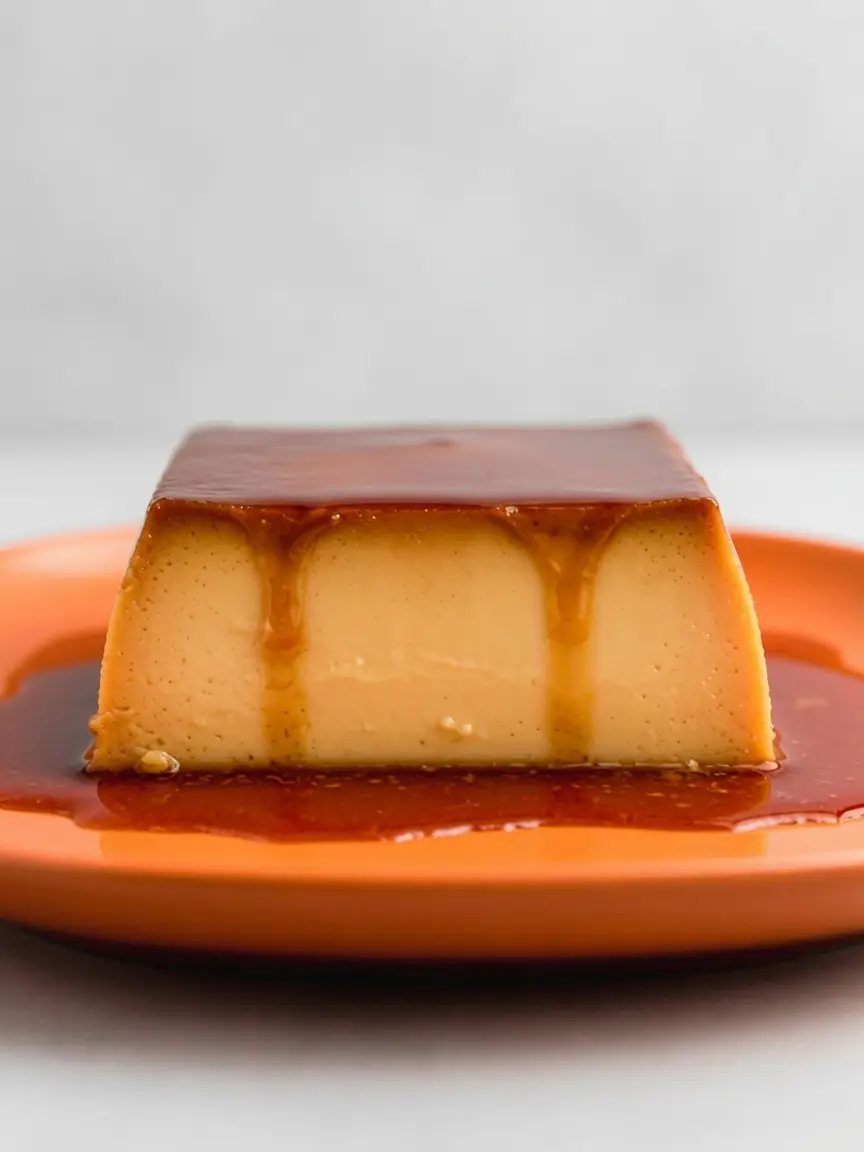
One of the biggest challenges in making this dessert is avoiding the tiny air bubbles that can ruin the silky interior. The secret is to whisk your eggs and milks gently by hand rather than using a high-speed blender, which incorporates too much air. Bake Mode suggests straining the entire mixture through a fine-mesh sieve at least twice before pouring it into the caramelized mold. This removes any stray bits of egg protein and ensures the texture remains dense and uniform, looking like polished marble when sliced.
Bake Mode Tips for the Water Bath
The gentle heat of a water bath, or baño maría, is non-negotiable for a successful outcome. Place your flan mold inside a larger roasting pan and fill the outer pan with hot water until it reaches halfway up the sides of the flan dish. This creates a humid environment and regulates the temperature, preventing the eggs from curdling or the edges from overcooking. Bake until the center is just barely set with a slight jiggle, then let it cool completely at room temperature before transferring it to the refrigerator for at least eight hours.
The Art of Flipping Your Dulce de Leche Crema Volteada (Flan)
The moment of truth arrives when you finally invert the mold onto a serving platter. To ensure a clean release, run a thin knife carefully around the edges of the cold flan to break the vacuum seal. Place a large, rimmed white plate over the mold and flip it in one confident motion. Hold it for a few seconds to let the caramel syrup drain down, then slowly lift the mold to reveal the glistening, rectangular masterpiece. It is a sight that never fails to impress and makes every minute of waiting worth it.
Silky Dulce de Leche Crema Volteada (Flan): A Peruvian Masterpiece
Course: DessertsCuisine: PeruvianDifficulty: 45/1004
servings30
minutes40
minutes300
kcalA dense, ultra-creamy Peruvian-style custard infused with rich dulce de leche and topped with a deep amber caramel syrup.
Ingredients
1 cup granulated sugar (for caramel)
1 can (12 oz) evaporated milk
1 can (14 oz) sweetened condensed milk
1 cup dulce de leche (Manjar Blanco)
6 large eggs
1 teaspoon pure vanilla extract
1/4 teaspoon fine sea salt
Directions
- Preheat your oven to 325°F (165°C). Prepare a 9×5 inch rectangular loaf pan.
- In a small heavy-bottomed saucepan, melt the granulated sugar over medium heat, swirling the pan occasionally until it turns into a dark amber liquid caramel. Pour immediately into the loaf pan, tilting to coat the bottom evenly.
- In a large bowl, gently whisk the eggs until broken. Add the evaporated milk, condensed milk, dulce de leche, vanilla, and salt. Whisk by hand until completely smooth, taking care not to create excessive bubbles.
- Strain the mixture through a fine-mesh sieve into the caramelized loaf pan. Place the loaf pan inside a larger roasting pan.
- Add hot water to the roasting pan until it reaches halfway up the sides of the loaf pan. Bake for 60-70 minutes, or until the edges are set but the center still has a slight wobble.
- Remove from the water bath and cool to room temperature on a wire rack. Refrigerate for at least 8 hours or overnight.
- To serve, run a knife around the edges, place a rimmed platter over the pan, and flip quickly. Let the caramel drizzle over the sides before lifting the pan.
Notes
- Always use a rimmed plate for flipping as the caramel syrup is very thin and will spill.
- If the dulce de leche is too thick to whisk, warm it slightly in the microwave for 15 seconds before adding to the milk.
- Ensure the water bath water is hot but not boiling when it goes into the oven.