Mastering Homemade Mango Mochi: Your Chewy, Fruity Dream Dessert
Homemade Mango Mochi. The words alone evoke a certain sweet, tropical bliss, don’t they? I’ll never forget my first taste of true mango mochi at a bustling Kyoto night market – a delicate, chewy shell embracing a burst of sweet, ripe mango that instantly captivated me with its perfect texture and flavor. That magical moment sparked an immediate challenge for Bake Mode: we simply had to crack the code to recreate that delicious experience in our own kitchen.
Thank you for reading this post, don't forget to subscribe!After a few sticky situations (literally!) and many happy taste tests, we finally perfected a recipe that nails that authentic taste and irresistible chewiness, transforming simple ingredients into something elegantly delicious. This isn’t just a dessert; it’s a journey back to that moment, a little piece of sunshine and culinary adventure on your plate, perfect for those who adore tropical flavors (don’t miss our refreshing 2-Ingredient Fruit Sorbet either!). Ready to bring this joy home? Find the full, step-by-step Homemade Mango Mochi recipe over on Taste Charm and let your kitchen fill with the pure heaven of ripe mangoes!
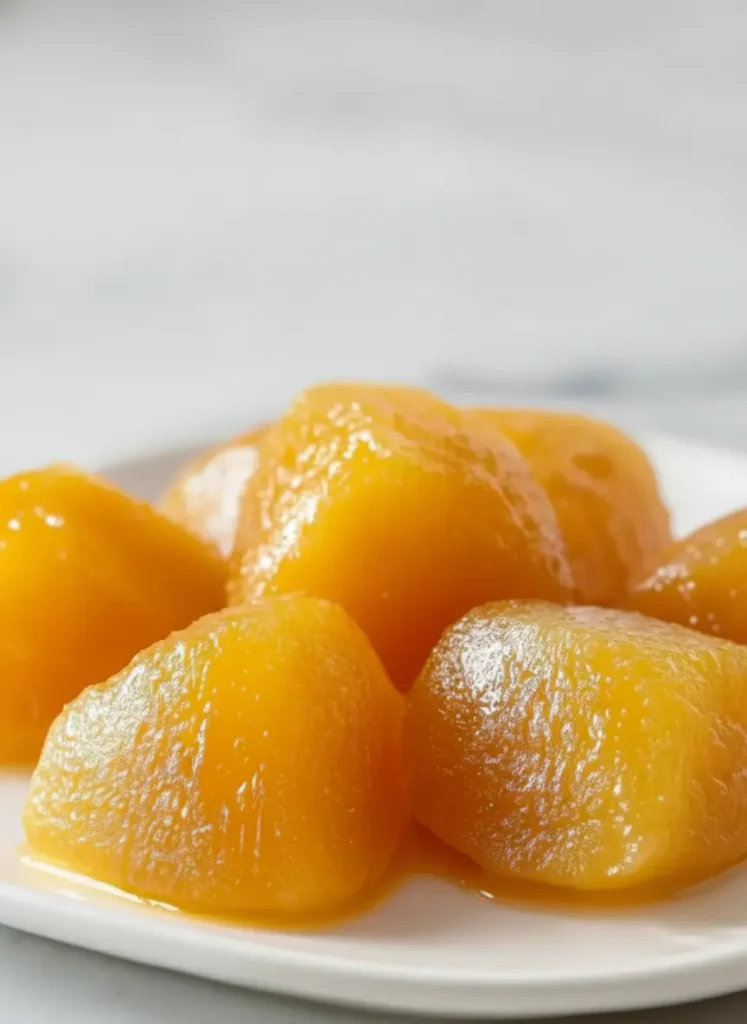
The Secret to Perfect Homemade Mango Mochi Texture
The magical chewiness of Homemade Mango Mochi relies on the right glutinous rice flour. This specific flour gives mochi its signature stretch and bounce, a lesson learned during a sticky Bake Mode adventure. Proper hydration and gentle steaming are key; the dough should become glossy and pliable. Gentle kneading after cooking further develops that irresistible chewy texture, guided by Taste Charm to perfection.
Here at BakeMode we believe in savoring these small moments of pure joy, and this tropical treat is a perfect embodiment of that philosophy, bringing warmth and happiness to any day.
Choosing the Best Mangoes for Your Homemade Mango Mochi
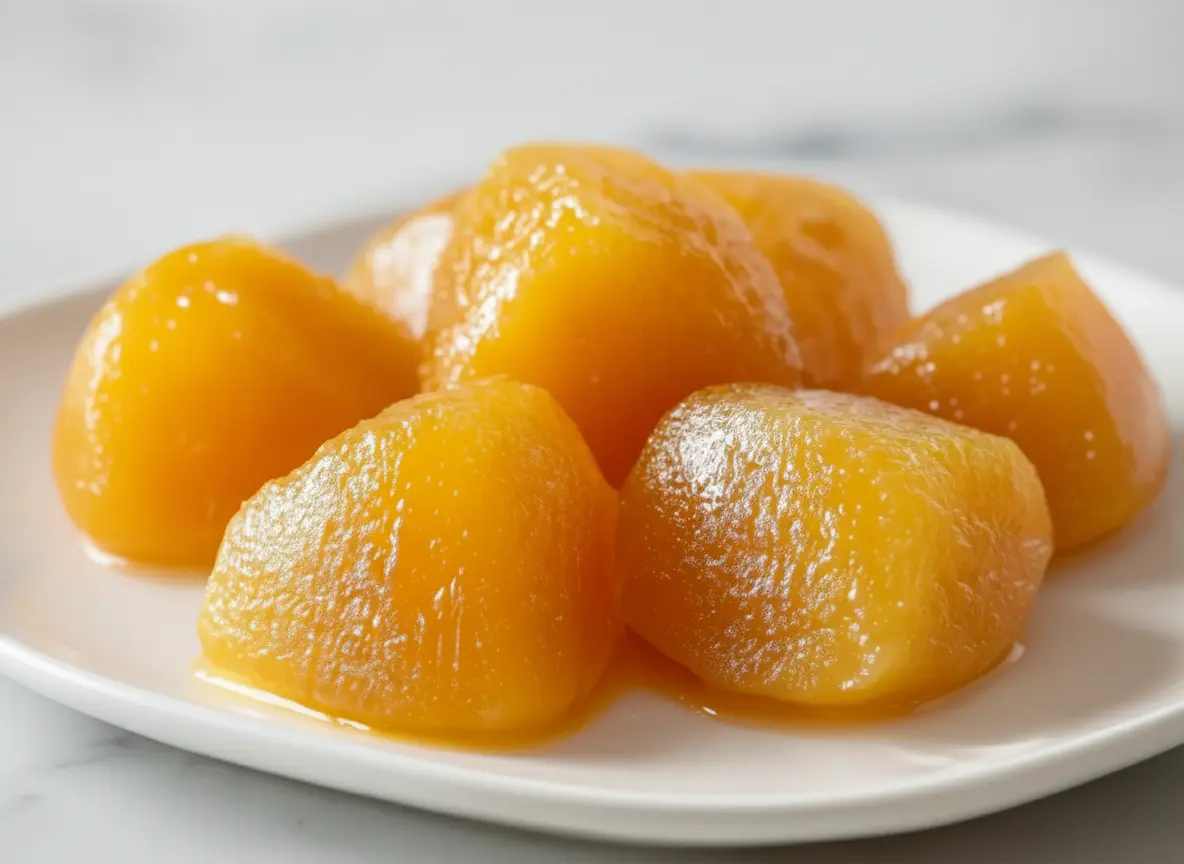
The heart of any great Homemade Mango Mochi is its filling, demanding perfectly ripe mangoes. Seek fragrant mangoes that yield slightly to pressure. Overripe can be mushy, underripe lacks sweetness. A perfectly sweet, juicy mango elevates your dessert from good to unforgettable, making the tropical flavors sing. This ensures every bite of your Homemade Mango Mochi is a burst of sunshine.
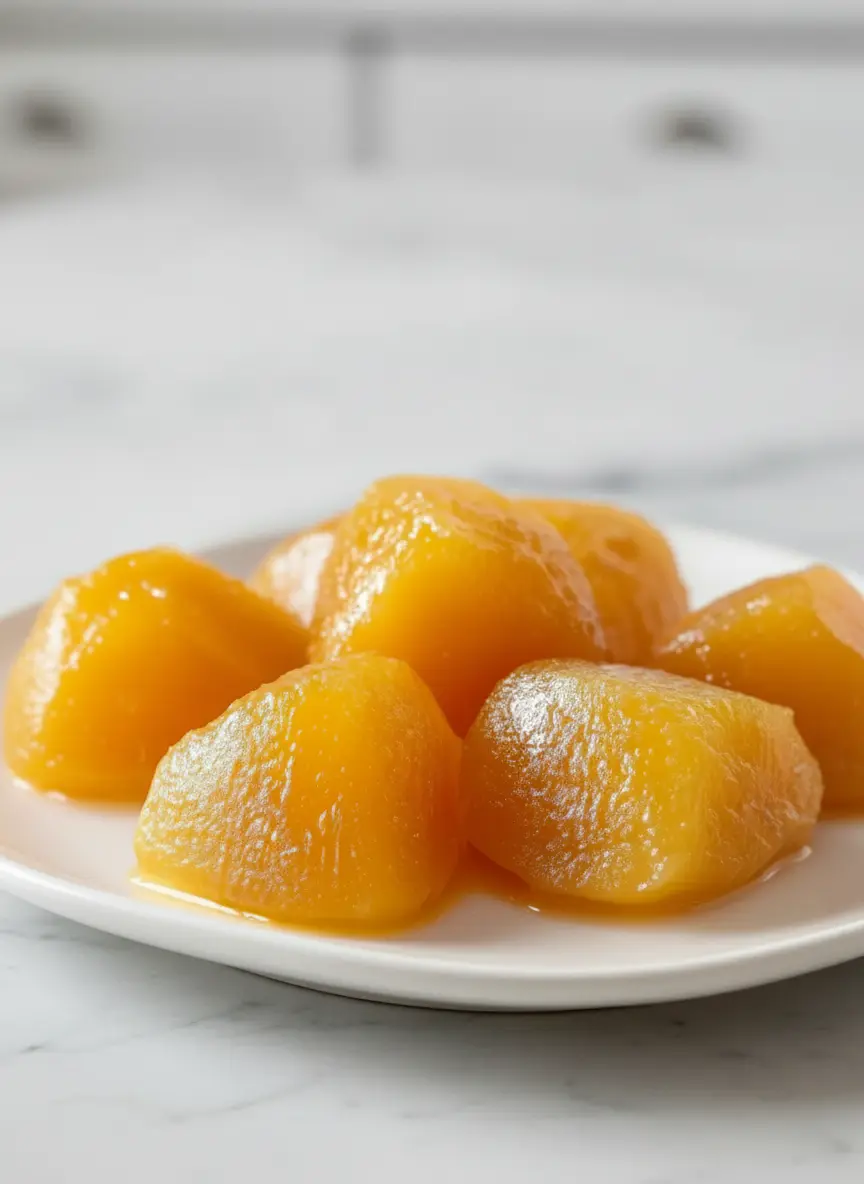
Step-by-Step Guide to Assembling Homemade Mango Mochi
Assembling your Homemade Mango Mochi is a rewarding art. Begin with uniform mango cubes for the filling. Liberally dust your work surface with cornstarch – a critical tip from many early, sticky sessions! Flatten small mochi dough portions into thin disks, add mango, and carefully pinch the edges sealed. It takes a delicate touch, but practice improves perfection, and every one will taste amazing. Taste Charm reminds us the joy is in the making!
Troubleshooting Common Homemade Mango Mochi Mistakes
Even experienced home cooks face challenges, and Homemade Mango Mochi is no exception. Sticky dough often means more cornstarch for your hands and surface. If too firm, it might be overcooked; too soft, it needs more steaming. Tearing dough can happen if it’s too cool or stretched too thin. Embrace the learning curve; with Bake Mode, every attempt is a step closer to perfect mochi bliss.
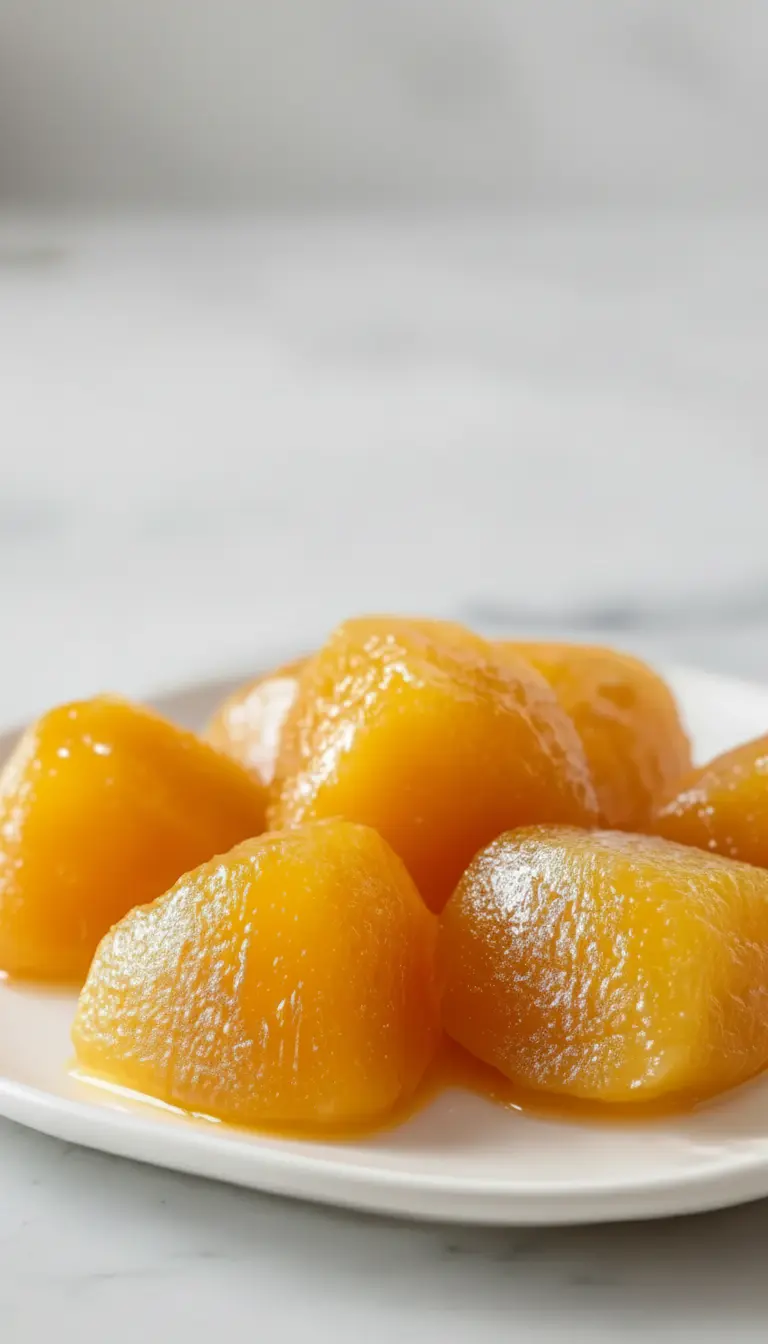
Serving and Storing Your Delicious Homemade Mango Mochi
Enjoy your Homemade Mango Mochi fresh, ideally at room temperature or slightly chilled for optimal flavor and chewiness. If you have any glorious leftovers (a rare occurrence in my home!), store them in an airtight container in the refrigerator for up to two days. Enjoying them fresh, though, is truly a small victory worth savoring, embodying the very essence of Taste Charm’s homemade goodness. Now, let’s bring this memory to your kitchen…
Arrange them elegantly on a minimalist white plate. For leftovers, store in an airtight container at room temperature for up to two days. Avoid refrigeration, as it can harden the mochi. Share these delightful treats with loved ones and watch their faces light up with every irresistible bite. Now, let’s bring this memory to your kitchen…
Mastering Homemade Mango Mochi: Your Chewy, Fruity Dream Dessert
Course: DessertCuisine: JapaneseDifficulty: 55/1004
servings30
minutes40
minutes300
kcalA delightful and chewy Japanese-inspired dessert featuring soft mochi dough wrapped around sweet, juicy fresh mango pieces, offering a perfect balance of texture and tropical flavor.
Ingredients
1 cup glutinous rice flour
1/4 cup granulated sugar
1 cup water
1/2 tsp vanilla extract (optional)
2 large ripe mangoes, peeled and diced into 1/2-inch cubes
1/2 cup cornstarch (for dusting)
Directions
- In a microwave-safe bowl, whisk together glutinous rice flour, sugar, water, and vanilla extract until smooth. Cover with plastic wrap, leaving a small vent.
- Microwave on high for 1 minute. Stir well, re-cover, and microwave for another 1-2 minutes, stirring every minute, until the dough is thick, translucent, and pulls away from the sides.
- Generously dust a clean work surface and your hands with cornstarch. Transfer the hot mochi dough onto the surface. Let cool slightly until manageable.
- Divide the dough into 12-16 equal pieces. Flatten each piece into a thin, round disk (about 3-4 inches in diameter).
- Place a few mango cubes in the center of each mochi disk. Carefully gather the edges of the dough around the mango, pinching them tightly at the top to seal.
- Gently shape into a ball, dusting with more cornstarch as needed. Arrange on a serving plate and enjoy fresh.
Notes
- Use only glutinous rice flour (also known as sticky rice flour) for the correct mochi texture.
- Ensure mangoes are perfectly ripe for the best flavor and sweetness.
- Dusting with plenty of cornstarch is crucial to prevent the mochi from sticking.
- Mochi is best consumed fresh; if storing, keep at room temperature in an airtight container for up to 2 days. Avoid refrigeration.