Perfectly Flaky Classic Pastry Scones with Cranberry and Glaze
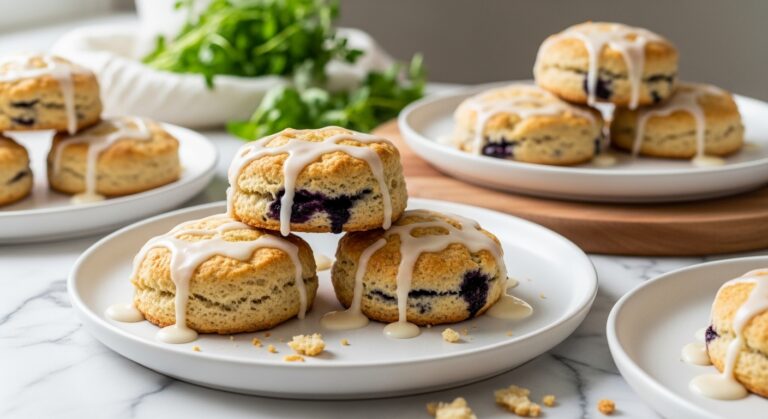
Classic Pastry Scones represent the very heart of my Saturday morning ritual, where the soft rhythm of cold butter being cut into flour creates a specific kind of magic as the sun hits the marble countertop. While I often turn to my easy lemonade scones recipe when I need a quick treat, there is something uniquely rewarding about the patient, traditional technique required for this batch. I remember the first time I really nailed this recipe on a chilly November morning after spending weeks chasing the perfect balance between a flaky biscuit and a tender cake.
Thank you for reading this post, don't forget to subscribe!Entering Bake Mode is less about following a list of instructions and more about honoring the ingredients, a philosophy I embraced while researching this perfect classic pastry scones recipe to refine my own method. This recipe was born from a failed batch of muffins that left me craving more texture and a craggy, golden-brown edge that only a true scone can provide. Seeing the white glaze zig-zag across the fruit-studded dough feels like the final brushstroke on a kitchen masterpiece, turning every golden crumb into a small but significant victory.
The Essential Foundation of Classic Pastry Scones
The journey to a perfect batch of Classic Pastry Scones begins long before the oven is preheated. It starts with the temperature of your workspace. I always make sure my kitchen is cool, and I even chill my mixing bowl in the fridge for a few minutes if it is a particularly humid morning. Cold butter is the non-negotiable hero here. As those tiny pockets of fat hit the heat of the oven, they release steam, creating the signature flaky layers that define a true pastry.
Using high-quality flour and fresh baking powder ensures the rise is consistent and the texture remains light rather than dense. When you approach the dough, remember that less is almost always more. You want to see those distinct flecks of butter throughout the mixture because they are the architects of your scone’s internal structure.
Incorporating Texture into Classic Pastry Scones
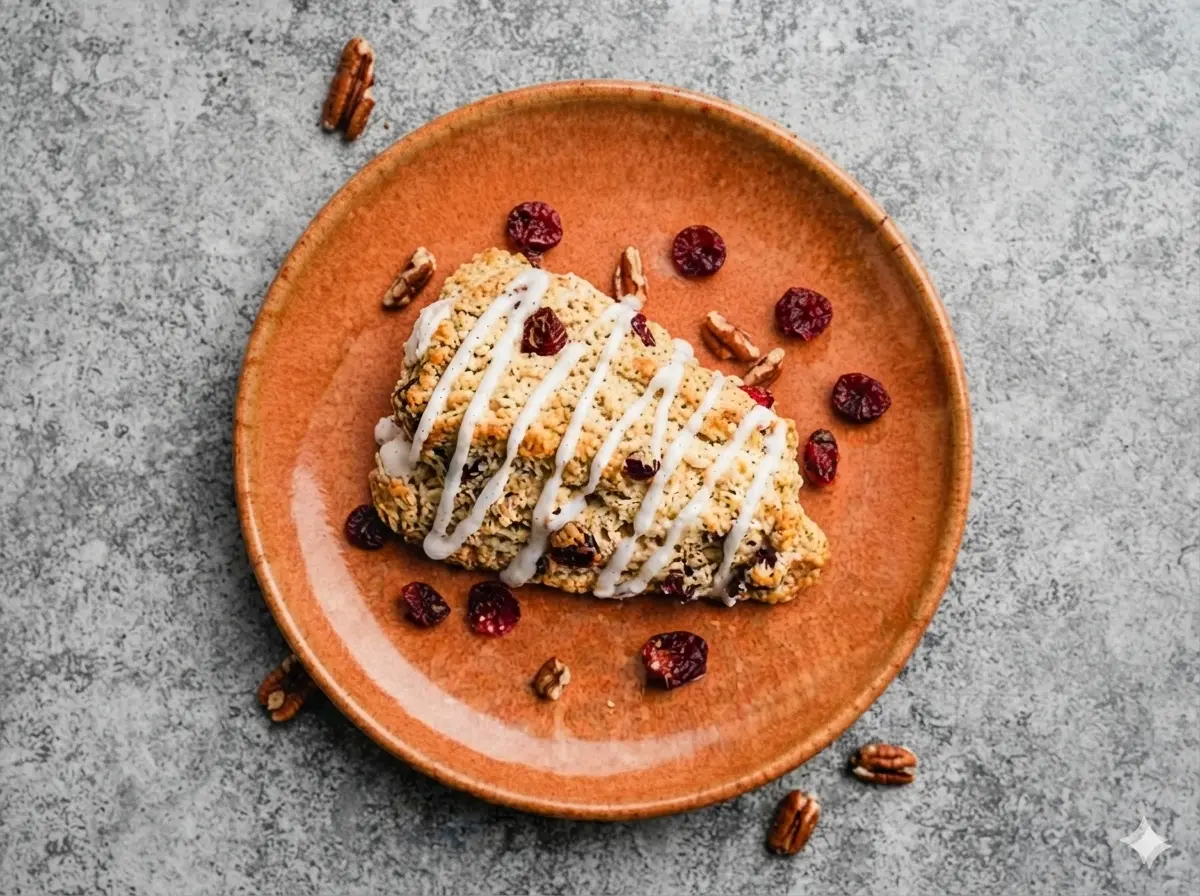
While a plain scone is a beautiful thing, adding dried cranberries transforms these Classic Pastry Scones into a vibrant breakfast experience. I like to toss my dried fruit in a tablespoon of flour before folding them into the dough. This simple trick prevents them from sinking to the bottom and ensures every bite is balanced with a burst of tartness.
Bake Mode really kicks in when you start to see the colors come together against the pale dough. The red jewels of cranberry peeking through the golden crust provide a visual promise of the flavor to come. If you prefer other fruits, the base remains the same, but there is something about the classic pairing of tart cranberry and sweet glaze that feels timeless and sophisticated on a white ceramic plate.
The Secret Technique for Shaping Classic Pastry Scones
Handling the dough is where many people lose their way, but mastering the shape of Classic Pastry Scones is simpler than it looks. Once your liquid and dry ingredients are just combined, turn the shaggy mass onto a lightly floured wooden board. I use a gentle patting motion rather than a heavy-handed knead. You are looking to form a cohesive disk about an inch thick. Using a sharp bench scraper or a large knife, I cut the circle into eight even wedges.
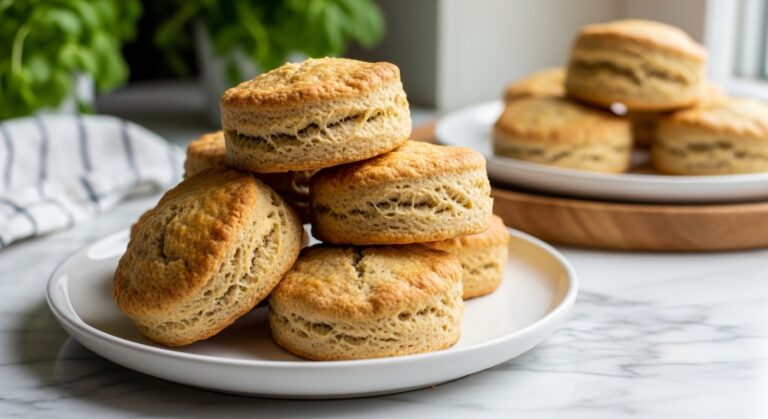
This traditional triangle shape allows the heat to penetrate the dough evenly from all sides, resulting in that coveted crisp exterior and soft, pillowy center. It is important to separate them on the baking sheet to allow for proper air circulation, which helps the edges get that beautiful toasted color we saw in the early morning light.
Achieving the Perfect Golden Finish on Classic Pastry Scones
As the Classic Pastry Scones bake, the aroma in the kitchen changes from raw flour to a rich, buttery perfume. This is the moment I find myself hovering by the oven door, watching the edges turn from pale cream to a deep, inviting gold. A light brush of heavy cream or an egg wash on the tops just before baking provides that professional-looking sheen. You want the scones to feel firm to a light touch but still have a bit of give. Overbaking is the enemy of the tender crumb, so I start checking them a few minutes early.
The contrast between the dark red cranberries and the sun-kissed dough is a sign that the transformation is nearly complete. Removing them at just the right second preserves the moisture that makes these so irresistible.
The Art of Glazing Your Classic Pastry Scones
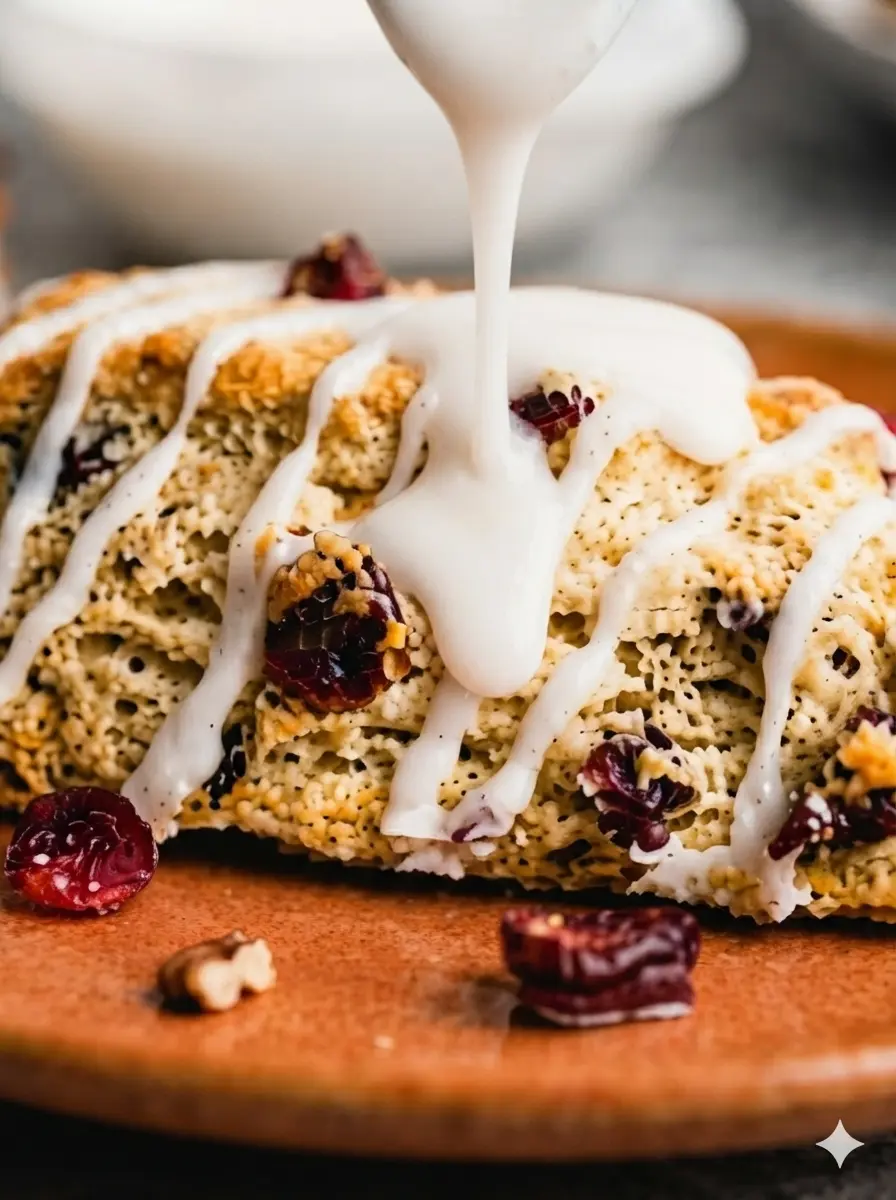
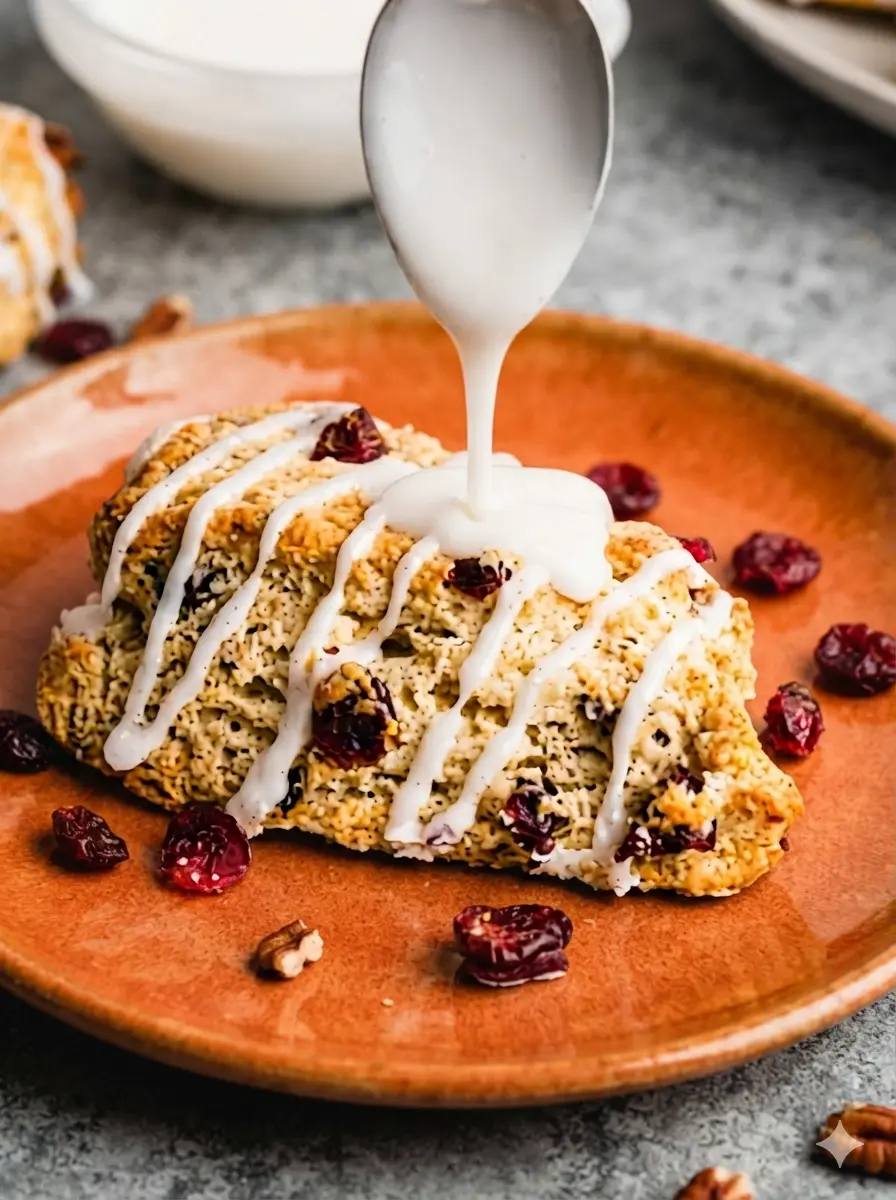
The final flourish for Classic Pastry Scones is the thick, white icing that drapes over the craggy peaks. I whisk together powdered sugar and just enough milk to create a consistency that holds its shape but still flows smoothly from a spoon. Waiting until the scones are slightly warm—but not hot—allows the glaze to set into those beautiful, opaque stripes without melting into a puddle. This visual detail is what takes the recipe from a simple bake to a center-piece worthy treat.
I love the way the white glaze looks against the rustic texture of the pastry, providing a sweet counterpoint to the tart fruit. It is the finishing touch that signals the transition from the process of baking to the joy of eating. Now, let’s bring this memory to your kitchen…
Perfectly Flaky Classic Pastry Scones with Cranberry and Glaze
Course: BreakfastCuisine: American/British FusionDifficulty: Easy4
servings30
minutes40
minutes300
kcalButtery, flaky, and golden-brown scones studded with tart dried cranberries and finished with a sweet vanilla glaze.
Ingredients
2 cups all-purpose flour
1/4 cup granulated sugar
1 tablespoon baking powder
1/2 teaspoon salt
1/2 cup unsalted butter, cold and cubed
1/2 cup heavy cream, plus more for brushing
1 large egg
1 teaspoon vanilla extract
1/2 cup dried cranberries
1 cup powdered sugar (for glaze)
2 tablespoons milk or cream (for glaze)
Directions
- Preheat your oven to 400°F (200°C) and line a large baking sheet with parchment paper.
- In a large bowl, whisk together the flour, sugar, baking powder, and salt. Add the cold, cubed butter and use a pastry cutter or two forks to work it into the flour until the mixture resembles coarse crumbs with some pea-sized pieces remaining.
- Stir in the dried cranberries. In a separate small bowl, whisk together the heavy cream, egg, and vanilla extract.
- Pour the wet ingredients into the dry ingredients and stir with a fork until a shaggy dough begins to form. Do not overmix.
- Turn the dough onto a lightly floured surface and gently pat it into an 8-inch disk. Cut into 8 wedges and place them on the prepared baking sheet. Brush the tops with a little heavy cream.
- Bake for 15-18 minutes or until the edges are golden brown. Let cool slightly on a wire rack before drizzling with the whisked glaze of powdered sugar and milk.
Notes
- Keep your butter as cold as possible; if it starts to soften while you are working, put the bowl in the freezer for 10 minutes.
- For extra crunchy tops, sprinkle a little coarse sparkling sugar over the cream wash before baking.
- Leftovers can be stored in an airtight container for up to 2 days, though they are best served fresh.